WHAT IS BALL ROLL TESTING?
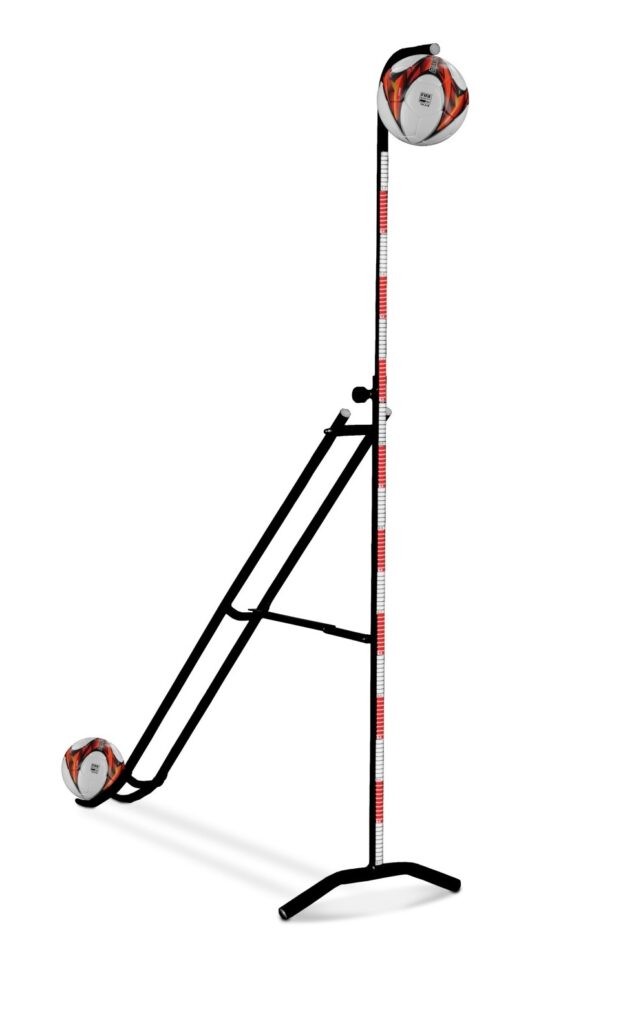
Ball roll testing measures the distance, speed, and trueness of a ball (typically soccer) as it rolls across a surface, primarily to assess synthetic turf performance, and maintenance needs. It often uses an inclined ramp to release the ball from a set height, following standards like FIFA or ASTM to ensure consistent, safe play.
Key Aspects of Ball Roll Testing:
- Purpose: Evaluates surface speed, smoothness, and consistency, often highlighting areas requiring maintenance (e.g., infill redistribution on turf).
- Methodology: A ball is released from a standardized device (e.g., Club Ramp or specialized, angled, grooved, or hinged devices).
- Measurements:
- Distance: Length of the roll indicates the speed of the surface (e.g., faster surface = longer roll).
- Standards: Tests are conducted in accordance with international sporting bodies (e.g., FIFA Quality PRO) or technical standards (e.g. EN, ASTM).
WHAT IS VERTICAL REBOUND TESTING?
Vertical ball rebound testing on artificial turf measures the surface's resilience by determining how high a ball bounces after a vertical drop. This metric is a key indicator of playability, surface hardness, and infill compaction.
Why Perform Rebound Testing?
- Playability & Consistency: Ensures the ball behaves predictably for sports like soccer, basketball, and field hockey.
- Safety: While tests like Gmax measure impact absorption for players, rebound testing helps identify "dead spots" or over-compacted areas that can affect athlete footing and ball control.
- Maintenance Indicator: Low rebound often signals that infill has become too compacted or that fibers are laying over, suggesting it is time for grooming or replacement.